Unpacking How Payment Gateways Influence Responsible Gaming Tools in Digital Casino Comparisons
Skriven av Dana Fischer · 2026-08-21
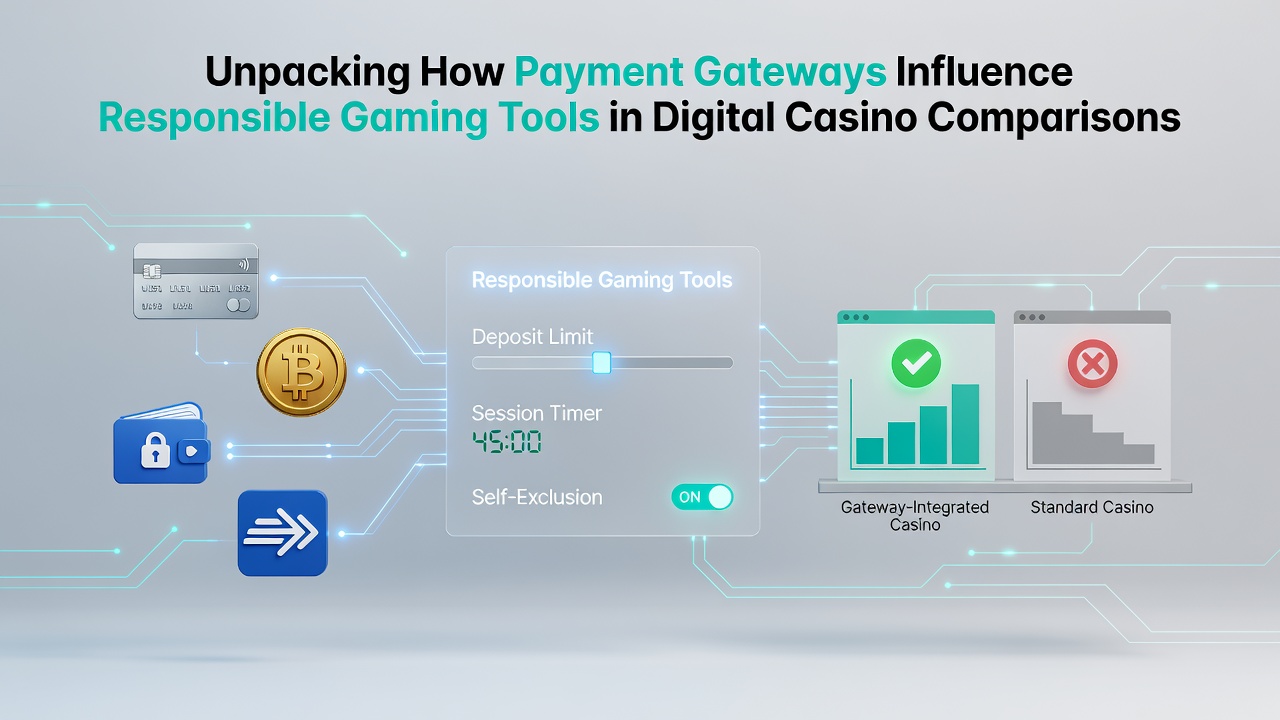
Unpacking How Payment Gateways Influence Responsible Gaming Tools in Digital Casino Comparisons
Payment gateways serve as the transactional backbone in digital casino operations, and their technical capabilities directly shape how responsible gaming features function across comparison platforms. Operators rely on these systems to process deposits and withdrawals while embedding controls such as spending caps, session timers, and real-time alerts. Data from industry reports shows that gateways equipped with API hooks for limit enforcement allow platforms to sync user-defined thresholds instantly with account activity.Core Mechanisms Linking Gateways to Gaming Controls
Gateways transmit transaction metadata that comparison sites use to flag patterns exceeding predefined thresholds. When a user sets a daily deposit limit through a casino interface, the gateway validates each request against stored parameters before authorization completes. Studies conducted by academic researchers at the University of Nevada, Reno indicate that systems incorporating these validation layers reduce the frequency of limit overrides by measurable margins in controlled testing environments.
Transaction velocity monitoring represents another function where gateways contribute. High-frequency small deposits often trigger automated reviews, and certain providers integrate with third-party databases to cross-reference self-exclusion lists. This connectivity allows digital casino comparison tools to display compliance status alongside payment method ratings, giving users visibility into which options support stricter oversight protocols.
Regional Variations in Gateway Standards by August 2026
Regulatory frameworks across multiple jurisdictions have aligned payment processing requirements with responsible gaming mandates. In Canada, provincial oversight bodies updated guidelines effective August 2026 that require gateways handling iGaming traffic to log every transaction attempt with timestamp and amount data accessible for audit. Similar expectations appear in Australian state regulations, where operators must demonstrate that selected processors can enforce cooling-off periods without manual intervention.
European operators, meanwhile, navigate directives from the European Commission that emphasize data portability between payment services and gaming platforms. These rules facilitate comparison websites in aggregating metrics on how quickly a gateway blocks transactions once a user activates a temporary exclusion. Observers note that platforms incorporating these metrics into side-by-side evaluations help users identify processors with stronger built-in safeguards.
Impact on Comparison Site Features and User Decision-Making
Digital casino comparison tools increasingly embed gateway-specific filters for responsible gaming attributes. Users can sort payment options according to whether they support automated loss-limit notifications or integrate with national self-exclusion registries. Research published by the Responsible Gambling Council in Canada reveals that sites displaying such granular details experience higher engagement rates with limit-setting tools among registered accounts.
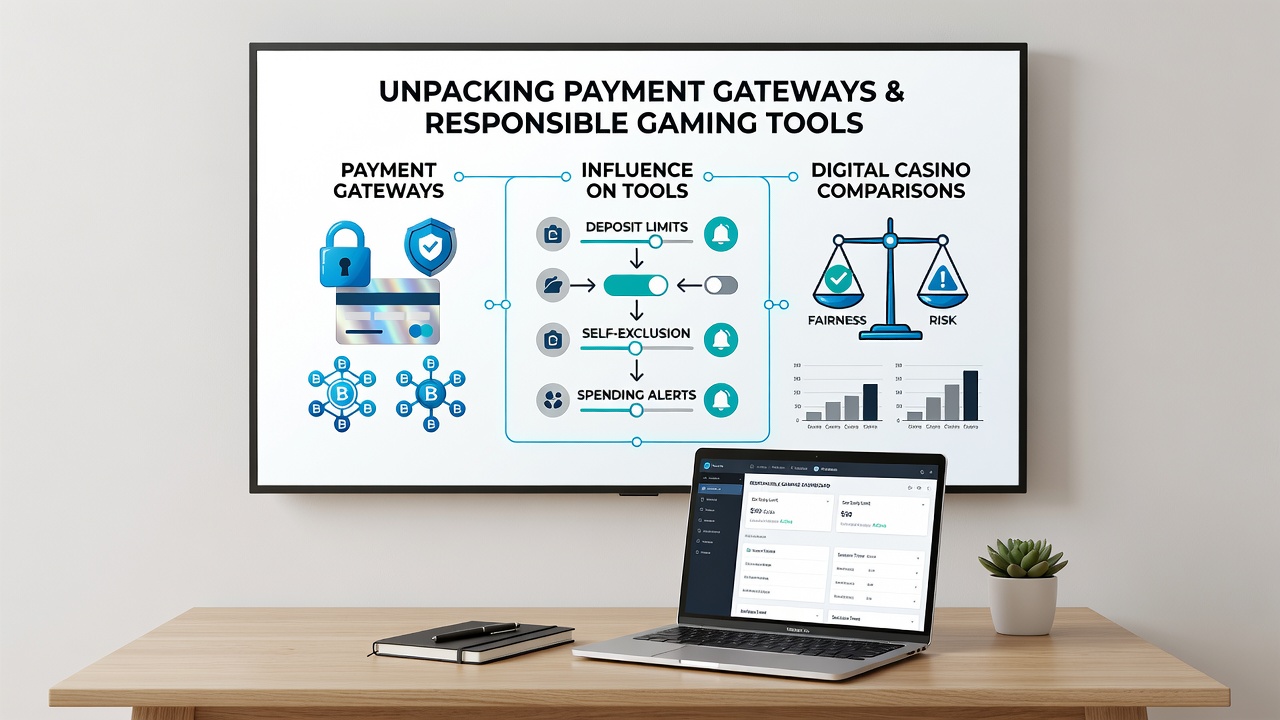
Cryptocurrency gateways introduce distinct considerations. Their decentralized nature sometimes limits direct integration with centralized exclusion databases, yet several providers now offer optional compliance modules that mirror traditional banking controls. Comparison analyses published in 2025 documented that platforms accepting these hybrid solutions report comparable rates of user-initiated limit adjustments to those using conventional card processors.
Data Sharing Protocols and Compliance Tracking
Secure data exchange standards determine how effectively gateways feed information into responsible gaming dashboards. Protocols such as ISO 20022 enable structured transaction records that include fields for limit status and exclusion flags. When comparison engines pull this data, they generate accuracy scores for each gateway's reporting consistency. Figures from the National Council on Problem Gambling in the United States show that standardized reporting correlates with fewer discrepancies during regulatory audits.
Operators that select gateways with robust logging capabilities gain advantages during platform evaluations. These systems allow real-time dashboards to reflect current user status across multiple sites, reducing the chance that an excluded individual bypasses restrictions through alternate payment channels. Technical specifications released by payment associations detail the exact API endpoints required for such interoperability.
Future Developments in Gateway-Enabled Safeguards
Emerging technologies continue to expand the scope of gateway contributions. Machine learning models trained on aggregated transaction histories now predict potential risk escalation, and several providers embed these models directly into authorization flows. Comparison platforms that incorporate prediction scores alongside traditional metrics provide additional context for users evaluating payment reliability.
Interoperability initiatives between gateways and national gambling helplines are also advancing. Pilot programs launched in multiple regions during 2025 demonstrated that instant notification routing from processors to support services improves response times for at-risk accounts. Observers tracking these pilots expect broader adoption by late 2026 as technical standards mature.
Conclusion
Payment gateways function as active participants in the responsible gaming ecosystem rather than passive transaction processors. Their capacity to enforce limits, share compliance data, and support monitoring tools directly influences how digital casino comparison platforms present options to users. As regulatory timelines such as teh August 2026 updates take effect across jurisdictions, the alignment between gateway capabilities and gaming safeguards continues to shape evaluation criteria used by both operators and end users.